The Gold Rush
Vibe
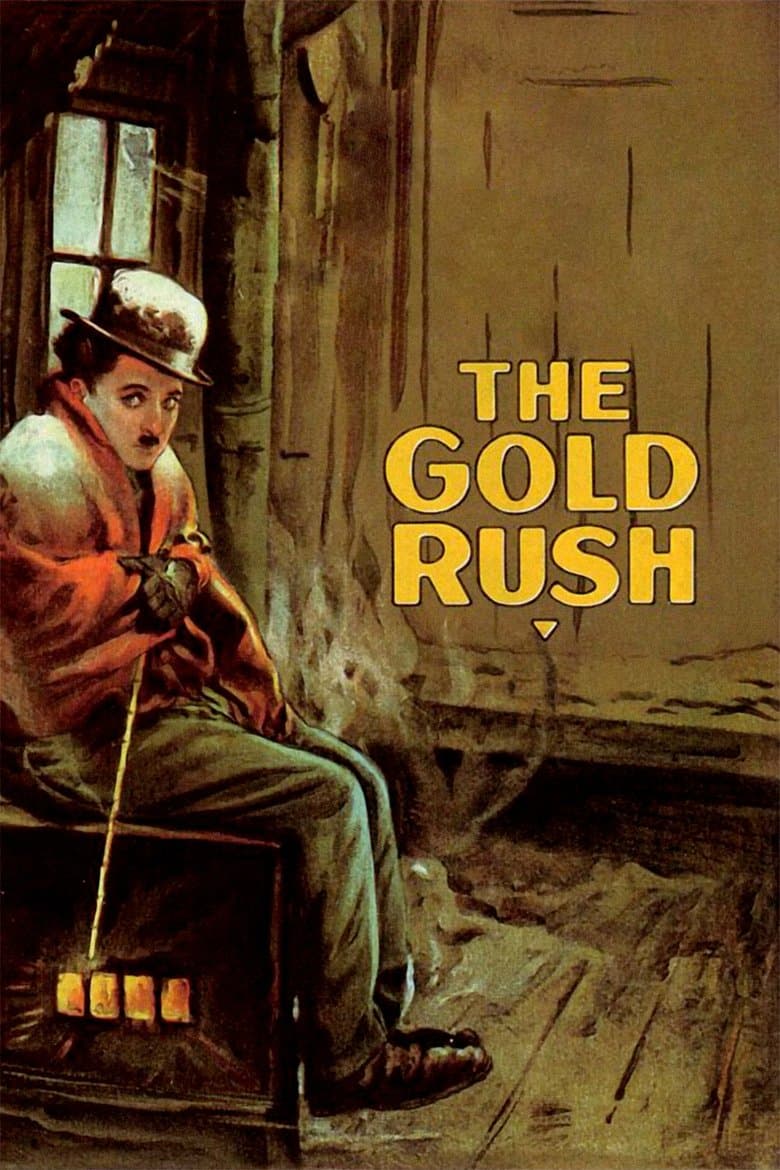
Charlie Chaplin’s silent comedy classic follows the Little Tramp as he heads to the Yukon during the Klondike Gold Rush in search of fortune, only to find hunger, loneliness, and comic disaster waiting for him instead. Lost in blizzards, trapped in a cabin, and forever on the edge of humiliation, the Tramp endures hardship with resilience, imagination, and unfailing grace. Chaplin blends precise physical comedy with surprising emotional tenderness, turning poverty and longing into the material of both laughter and pathos. From the boot-eating sequence to the famous dancing dinner rolls, The Gold Rush remains one of Chaplin’s finest achievements and one of the great masterpieces of silent cinema.
Watch for
- Chaplin’s control of physical movement, especially the way tiny gestures and precise timing turn hardship into comedy without losing the character’s dignity.
- The contrast between the brutal environment and the Tramp’s fragile optimism, which gives the film its distinctive blend of humor and melancholy.
- The famous set pieces—the boot meal, the cabin on the cliff, and the dancing rolls—which showcase Chaplin’s genius for turning simple objects and situations into unforgettable visual invention.
- How the film repeatedly shifts from comic fantasy to emotional yearning, revealing the Little Tramp not just as a clown but as a figure of loneliness, hope, and resilience.
Production notes
The Gold Rush was Charlie Chaplin's silent comedy set during the 1898 Klondike Gold Rush — a project Chaplin himself wrote, produced, directed, and starred in. Chaplin played his iconic Tramp character as a lone prospector struggling against starvation, isolation, and predatory fellow-miners in the Yukon. The film was shot on location in Nevada and California's Sierra mountains, with substantial use of complex set construction at Chaplin's own studios in Hollywood. The cast included Mack Swain as Big Jim McKay, Tom Murray as Black Larsen, Henry Bergman as Hank Curtis, Malcolm Waite as Jack Cameron, and Georgia Hale as Georgia (the Tramp's love interest). The film's famous sequences — the boiled-shoe meal, the Tramp's bread-roll dance with two forks, the cabin teetering on the edge of a cliff — have become some of the most iconic moments in silent cinema. Cinematographer Roland Totheroh shot the film. Production cost approximately $923,000.
Trivia
- Charlie Chaplin re-released The Gold Rush in 1942 with a synchronized soundtrack, his own narration, and a re-edited running time (approximately 72 minutes instead of the original 95); Chaplin himself preferred the 1942 sound version, though most contemporary critics consider the 1925 silent version superior.
- The famous 'boiled shoe' sequence — in which the starving Tramp boils and eats his own shoe — required Chaplin to perform multiple takes consuming a shoe made of licorice; the licorice reportedly caused Chaplin substantial gastric distress during the multi-day shooting of the sequence.
- The famous bread-roll dance — the Tramp dancing two forks impaled in dinner rolls as if they were leg-and-foot puppets — has become one of the most iconic comedic sequences in silent cinema; the sequence has been continuously imitated, parodied, and referenced across decades of subsequent comic performance.
- Charlie Chaplin himself considered The Gold Rush the film by which he most wished to be remembered, calling it his favorite of his own works; the film represented his most ambitious silent feature to date and was widely considered his masterpiece on its 1925 release.
- The Gold Rush grossed approximately $5 million on its initial 1925 release — making it the highest-grossing silent film of all time, exceeded only by the subsequent silent successes of Buster Keaton (whose Battling Butler and The General had not yet been released) and a few D.W. Griffith works.
Legacy
The Gold Rush is widely regarded as Charlie Chaplin's masterwork from the silent era and one of the canonical comedies of any cinema. It was selected for the inaugural class of the National Film Registry in 1992. Chaplin himself considered the film the work by which he most wished to be remembered. The famous sequences — the boiled-shoe meal, the bread-roll dance, the cabin teetering on the edge of a cliff — have remained some of the most iconic moments in silent cinema, continuously imitated and parodied across decades of subsequent comic work. The 1942 Chaplin-produced sound version (with synchronized soundtrack, Chaplin's own narration, and a re-edited shorter running time) remains controversial among critics — Chaplin himself preferred it, but most contemporary critics consider the 1925 silent version superior. Among silent-era comedies, The Gold Rush sits alongside Buster Keaton's The General (1926), Charlie Chaplin's City Lights (1931), and Harold Lloyd's Safety Last! (1923) as the canonical achievements of the form. Chaplin's specific approach — sentimental humanism integrated with physical comedy — shaped the entire subsequent tradition of comic cinema.